Maintaining aerospace engine components requires precise and safe coating removal. Two primary methods dominate: Ultra-High-Pressure Waterjet Stripping and Chemical Stripping. Understanding their differences is crucial for efficiency, cost-effectiveness, and environmental responsibility.
Modern commercial aircraft engines stand as remarkable feats of engineering. Achieving exceptional reliability and durability, they operate under extreme environmental stresses with minimal downtime, making engine-related incidents statistically rare. This performance is even more impressive considering typical operational demands, where engines accumulate 10,000 to 20,000 flight cycles between major overhauls.During these critical overhauls, a vital Maintenance, Repair, and Overhaul (MRO) task involves the removal and reapplication of specialized thermal spray coatings. These coatings—including abradables, thermal barrier coatings (TBCs), and wear-resistant layers—protect high-stress components like turbine and compressor blades, combustors (burner cans), and knife-edge seals. Numerous technologies exist for stripping these coatings, each offering distinct advantages and limitations.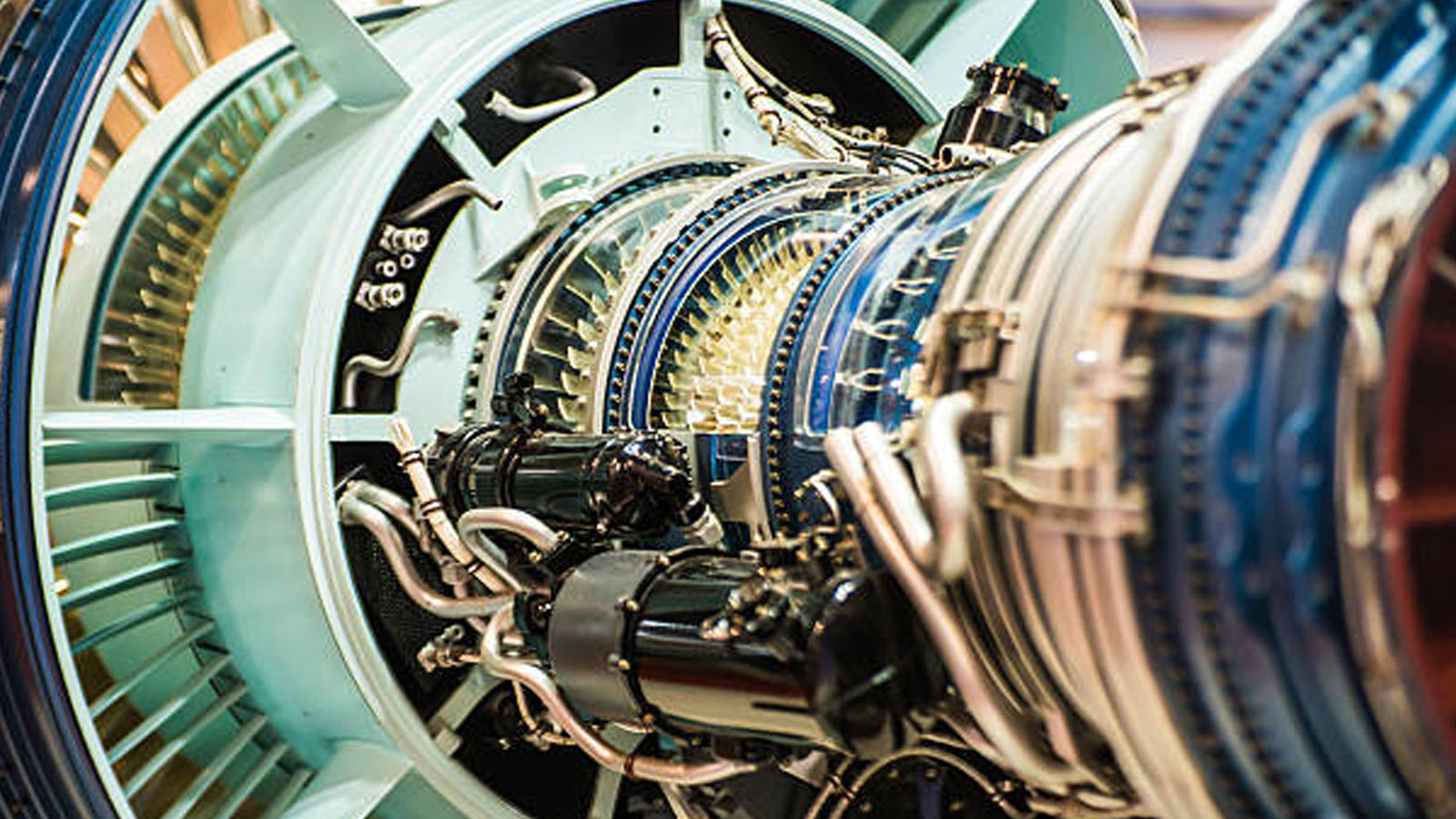
Comparison of Waterjet Stripping vs Chemical Removal ProcessesUltra-High-Pressure Waterjet Stripping:Mechanism: Uses water pressurized between 40,000 and 60,000 psi, often with minimal benign abrasives, to mechanically strip coatings.Key Advantages:Environmentally Friendly: Uses water (and sometimes salt), generating no hazardous chemical waste, VOCs, or air pollution. Eliminates complex disposal procedures.Substrate Safety: Precisely removes coatings without damaging the underlying base metal (titanium, aluminum, steel, composites) or altering its properties. Maintains critical dimensional tolerances and surface integrity.Versatility: Effectively strips all common aerospace coatings (paints, primers, thermal spray coatings like MCrAlY, polymers, powder coats) from complex geometries and hard-to-reach areas.Operator Safety: Eliminates exposure to toxic chemicals, fumes, and carcinogens.Reduced Waste/Cost: No need for chemical procurement, storage, neutralization, or hazardous waste disposal. Lower long-term operational costs.
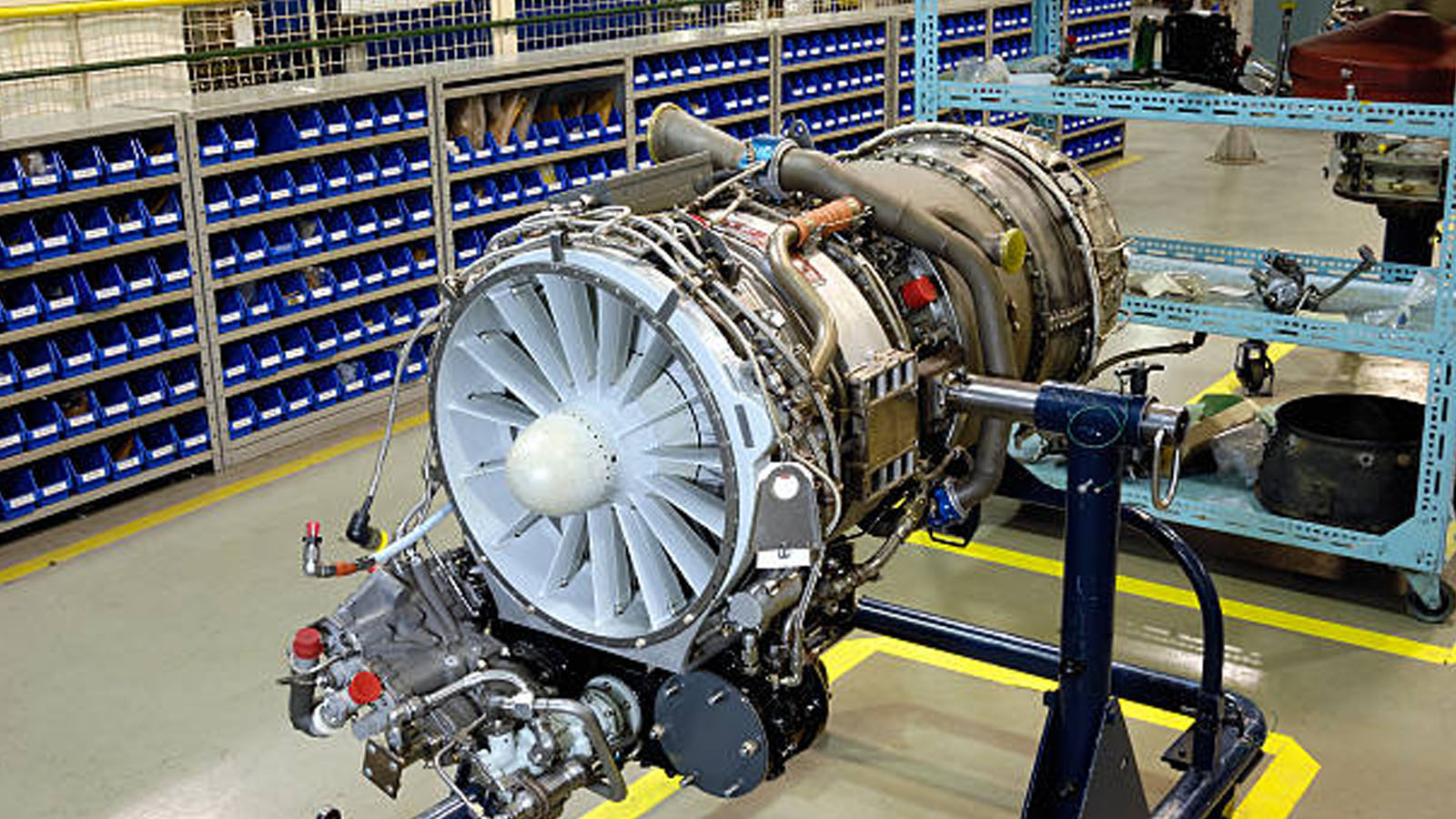 Chemical Stripping Processes:Mechanism: Relies on aggressive chemical solutions (acids, alkalis, solvents) to dissolve or soften coatings.Key Limitations:Environmental Hazard: Generates large volumes of toxic, hazardous waste requiring specialized, costly treatment and disposal. Potential for air and water pollution.Substrate Risk: Harsh chemicals can attack base metals (especially sensitive alloys like titanium), cause hydrogen embrittlement, alter surface properties, or etch surfaces, potentially compromising component integrity.Selective Effectiveness: Often ineffective against very hard or chemically resistant coatings like certain thermal sprays. May require multiple processes or mechanical pre-treatment.Operator Hazard: Poses significant health risks to workers through exposure to toxic, corrosive, and potentially carcinogenic chemicals. Requires stringent PPE and safety protocols.Hidden Costs: High costs associated with chemical procurement, waste treatment/disposal, regulatory compliance, safety equipment, and facility requirements.
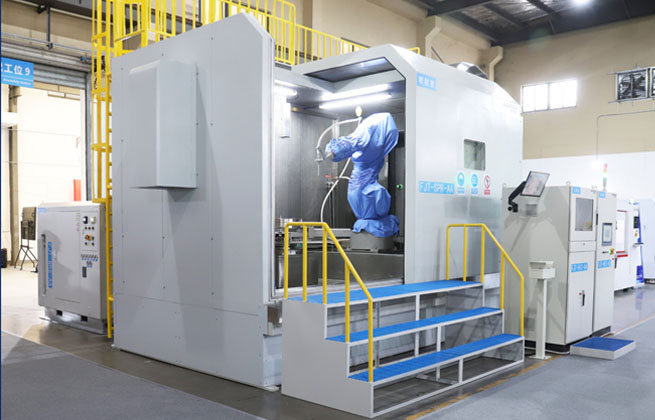 Why Fedjetting so popular?
Ultra-High Pressure Waterjet Coating Removal (UHP-WJ)
The Eco-Conscious Solution for Thermal Spray Coating Stripping
Fedjetting Ultra-High Pressure Waterjet Coating Removal harnesses the kinetic energy of waterjets (1,000-4,000 bar / 15,000-60,000 psi) to cleanly strip thermal spray coatings without damaging substrates. This advanced cold-process technology delivers exceptional precision with zero thermal distortion or chemical pollution, making it the preferred solution for aerospace, semiconductor, medical, and energy equipment refurbishment worldwide.
How It Works
Kinetic Energy Stripping
Pressurized water accelerates to supersonic velocities (800-1,000 m/s) through specialized nozzles, disrupting coating-substrate bonds through pure mechanical energy.
Key Process Advantages
-
Zero Chemical Footprint: Pure water eliminates toxic solvents
-
Cold Process Integrity: Prevents heat-induced substrate warping
-
Surgical Precision: Removes coatings micron by micron
-
Universal Compatibility: Effective on metals, ceramics, and composites
-
Eco-Certified: Meets ISO 14001 and global industrial standards
Industry-Leading Applications
-
✈️ Aerospace: TBC and abradable coating removal from turbine blades, combustors, and knife-edge seals
-
⚡ Energy Systems: Generator component refurbishment
-
🏥 Medical: Implant manufacturing equipment maintenance
-
💻 Precision Manufacturing: PVD/CVD chamber and shadow mask reclamation for semiconductor/LCD production
Operational Considerations
🔐 Safety Protocol: Mandatory Class 3+ cut-resistant PPE
⚙️ Parameter Validation: Application-specific pressure testing
♻️ Water Recycling: Filtration systems for effluent management
For aerospace engine component maintenance, Ultra-High-Pressure Waterjet Stripping presents a superior, modern alternative to traditional chemical processes. Its non-destructive nature ensures component integrity, its environmental friendliness drastically reduces regulatory burden and liability, and its versatility handles the full spectrum of aerospace coatings safely and effectively. While chemical stripping may still have niche applications, UHP Waterjet technology offers a safer, cleaner, more cost-efficient, and technically advanced solution for most critical stripping operations in the aerospace industry, aligning with stringent environmental and safety regulations.


